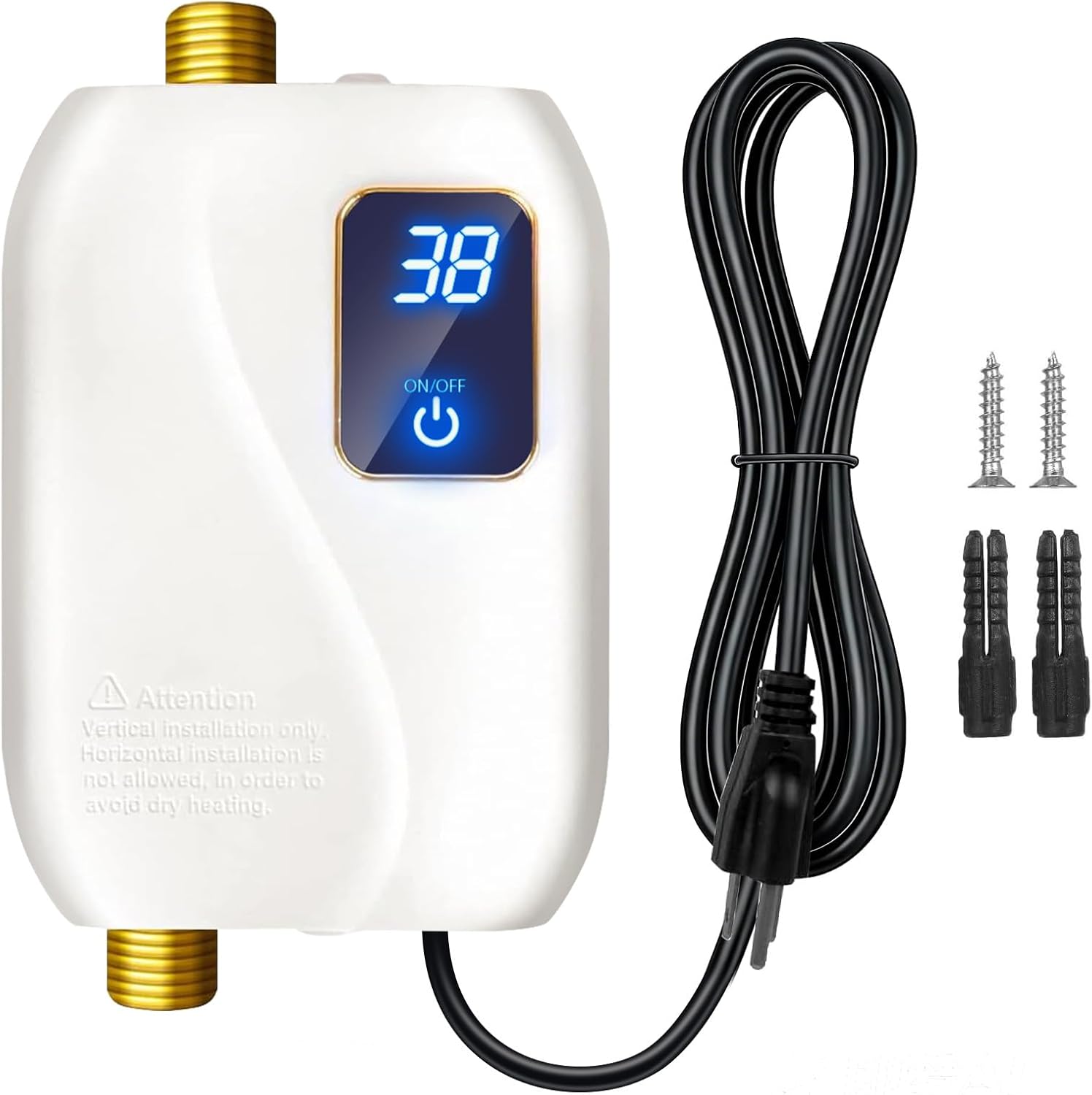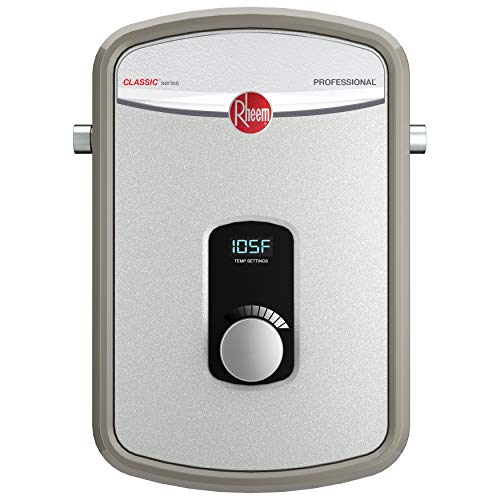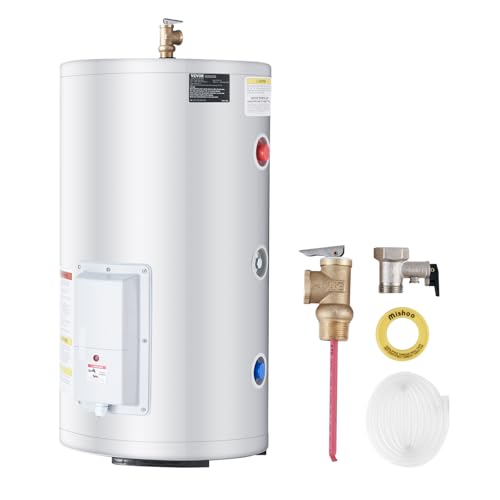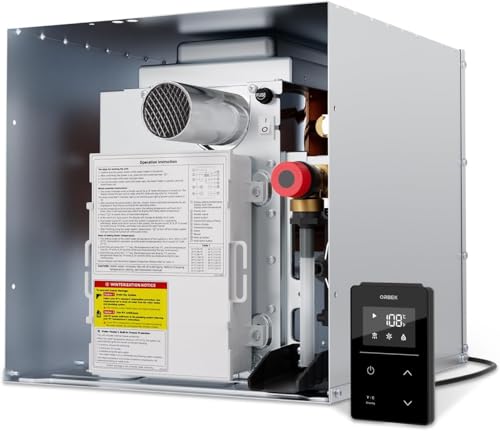

Hard water is a silent enemy of tankless water heaters. Over time, mineral deposits like calcium and magnesium build up inside the heat exchanger, reducing efficiency and eventually causing failure. If you live in an area with hard water, you need a unit designed to resist scale or a maintenance plan that includes regular descaling. This guide reviews the top tankless water heaters that handle hard water conditions well, from whole-house gas models to point-of-use electric units. Whether you are replacing an old tank or upgrading to on-demand hot water, we have you covered. For a broader look at top performers, check out our picks for the best tankless water heater for whole house.


Buying Guide
Scale Resistance and Descaling Ease
The most critical factor for hard water is how well a heater resists scale buildup. Look for models with stainless steel or copper heat exchangers that are less prone to corrosion. Some units, like the ThermoMate 6kW, feature a cast aluminum heating element separated from the water line, which significantly reduces scale accumulation. Additionally, a built-in flush kit or compatibility with a descaling system, such as the Chromex Flush Kit, makes maintenance straightforward. Regular descaling extends the lifespan of any tankless heater, especially in hard water regions. For more options, see our guide on the best gas tankless water heater.
Flow Rate and Temperature Rise
Flow rate (gallons per minute, or GPM) determines how many fixtures you can run simultaneously. In hard water areas, you may need a higher flow rate to compensate for reduced efficiency over time. For a whole-house gas unit, aim for at least 7 GPM, like the Rheem RTG Series, which delivers 7.0 GPM at a 35-degree temperature rise. For point-of-use applications, a 1.0 GPM unit like the ThermoMate works well for a single sink. Always check the temperature rise required for your climate; colder incoming water needs more power. Our best tankless water heater picks for 2026 cover a range of flow rates.
Energy Efficiency and Fuel Type
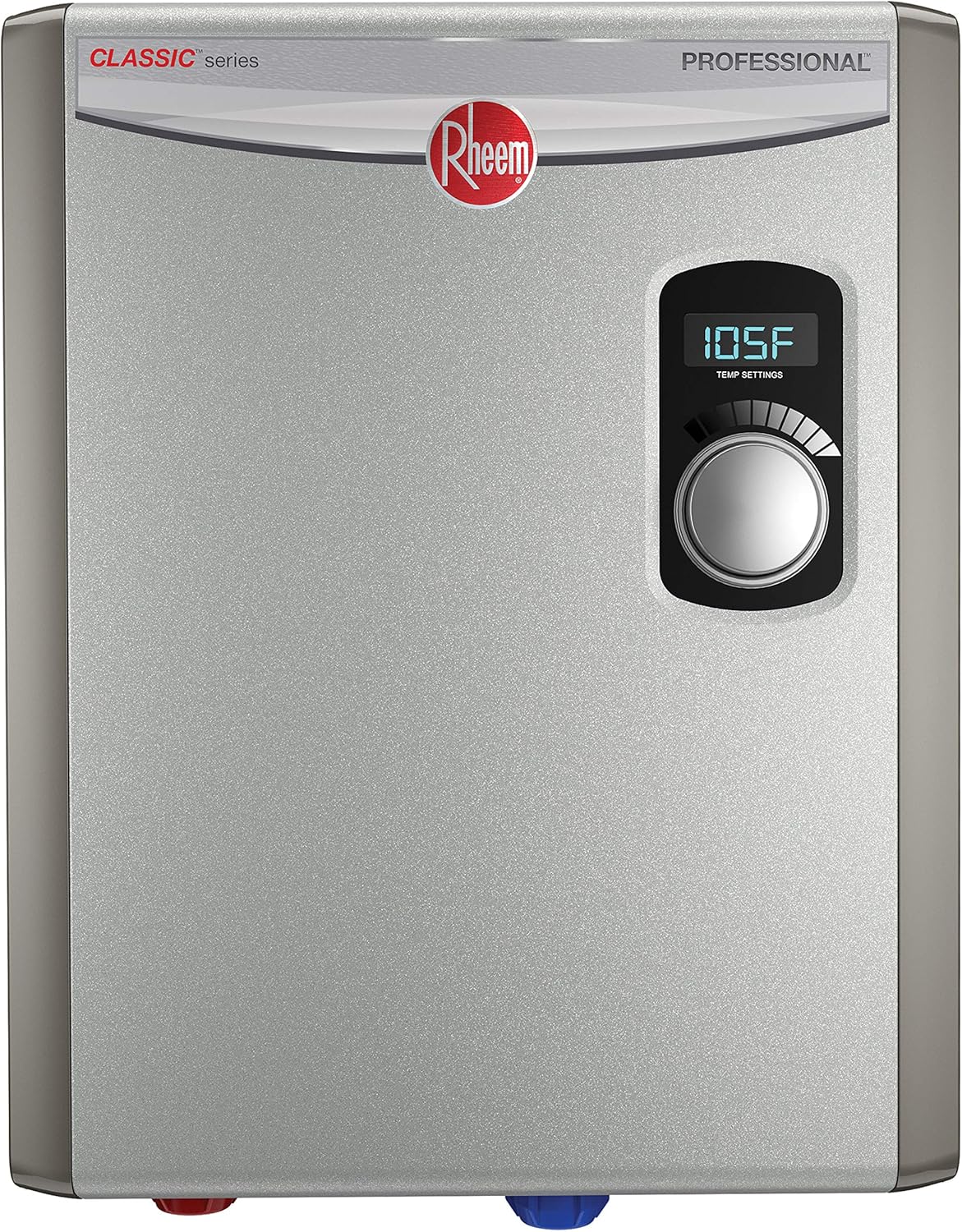
Gas tankless heaters generally offer higher flow rates and lower operating costs than electric models, but they require proper venting and gas supply. Electric units are simpler to install and more efficient at point-of-use. For hard water, electric models with self-modulating power (like the Rheem 18kW) adjust energy use based on demand, which can reduce scale formation by avoiding overheating. Gas condensing units, such as the Rinnai RX199iN, achieve ultra-high efficiency (UEF up to 0.98) but need regular descaling. Compare fuel types in our best propane tankless water heater article for off-grid options.
Warranty and Build Quality
A strong warranty indicates confidence in durability. Rinnai offers a limited 15-year warranty on the heat exchanger, while Rheem provides a standard limited warranty. For hard water, a longer heat exchanger warranty is a safety net against scale damage. Also consider the materials: stainless steel or copper heat exchangers resist corrosion better. The ThermoMate’s SUS 304 stainless steel water tube and separate heating element are designed for longevity in hard water. Always register your product within 90 days to activate the full warranty. For more electric options, see our best electric tankless water heater reviews.
Final Thoughts
Choosing the right tankless water heater for hard water comes down to balancing scale resistance, flow rate, and ease of maintenance. For whole-house needs, the Rinnai RX199iN Condensing Smart Sense Tankless stands out with its condensing efficiency and Versa Vent flexibility, making it a top choice for large families. For a point-of-use solution, the ThermoMate 6kW Tankless Water Heater Electric offers instant hot water with a scale-resistant design perfect for a single sink. Pair either with the Chromex descaling kit to keep performance high for years. No matter your situation, investing in a hard-water-friendly model saves you from costly repairs down the line.
Frequently Asked Questions
How often should I descale my tankless water heater in hard water areas?
In areas with hard water, descaling every 6 to 12 months is recommended. Using a kit like the Chromex Tankless Water Heater Flush Kit makes the process quick and effective. Regular descaling prevents scale buildup that reduces efficiency and can damage the heat exchanger. For more maintenance tips, see our guide on tankless water heater care.
Can I install a tankless water heater myself if I have hard water?
While some electric point-of-use units like the ThermoMate are simpler to install, professional installation is strongly recommended for gas models and whole-house electric units. A professional can ensure proper sizing, venting, and electrical connections, which are critical for performance in hard water conditions. Incorrect installation can void warranties and lead to premature scale buildup.
What type of heat exchanger is best for hard water?
Copper heat exchangers are common but can corrode faster in hard water. Stainless steel or cast aluminum heating elements, like those in the ThermoMate, offer better resistance to scale and corrosion. Some high-end gas units use a secondary stainless steel heat exchanger for enhanced durability. Always check the manufacturer’s specifications for hard water compatibility.
Do tankless water heaters work in cold climates with hard water?
Yes, but you need a model with sufficient BTU output or wattage to handle the temperature rise. Gas units like the Rheem RTG Series (160,000 BTU) can handle cold incoming water, while electric units may require a higher kilowatt rating. Hard water exacerbates efficiency loss, so choose a unit with a high flow rate and descale it regularly. Our best tankless water heater picks include cold-climate options.