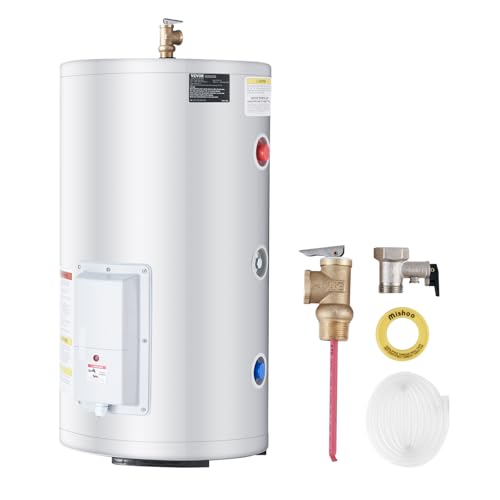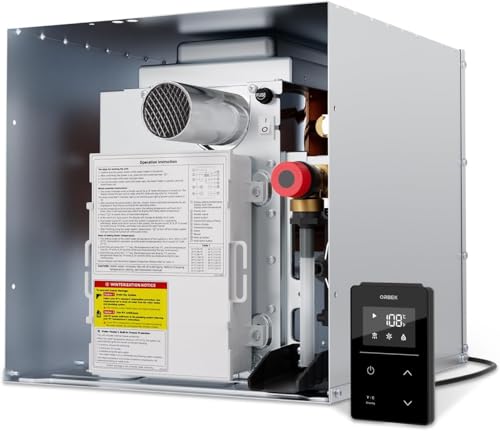

Imagine stepping into a hot shower on a cold morning, only to have the water turn icy after a few minutes. If you have a large family or multiple bathrooms, you know this struggle well. Traditional tank water heaters can run out of hot water, leaving you shivering. The solution is an electric tankless water heater, which heats water on demand and never runs out. In this guide, we review the best electric tankless models for home use, helping you choose the right unit for endless hot water, energy savings, and space efficiency. Whether you need a small unit for a single sink or a whole-house system, we have you covered. For a broader overview, check out our top electric tankless water heater reviews.
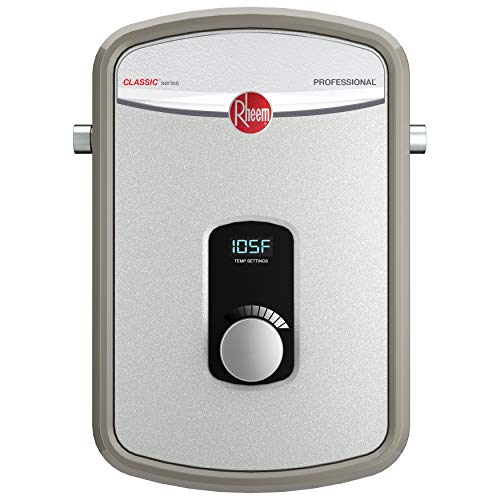


Buying Guide: What to Look For in an Electric Tankless Water Heater
Flow Rate and Temperature Rise
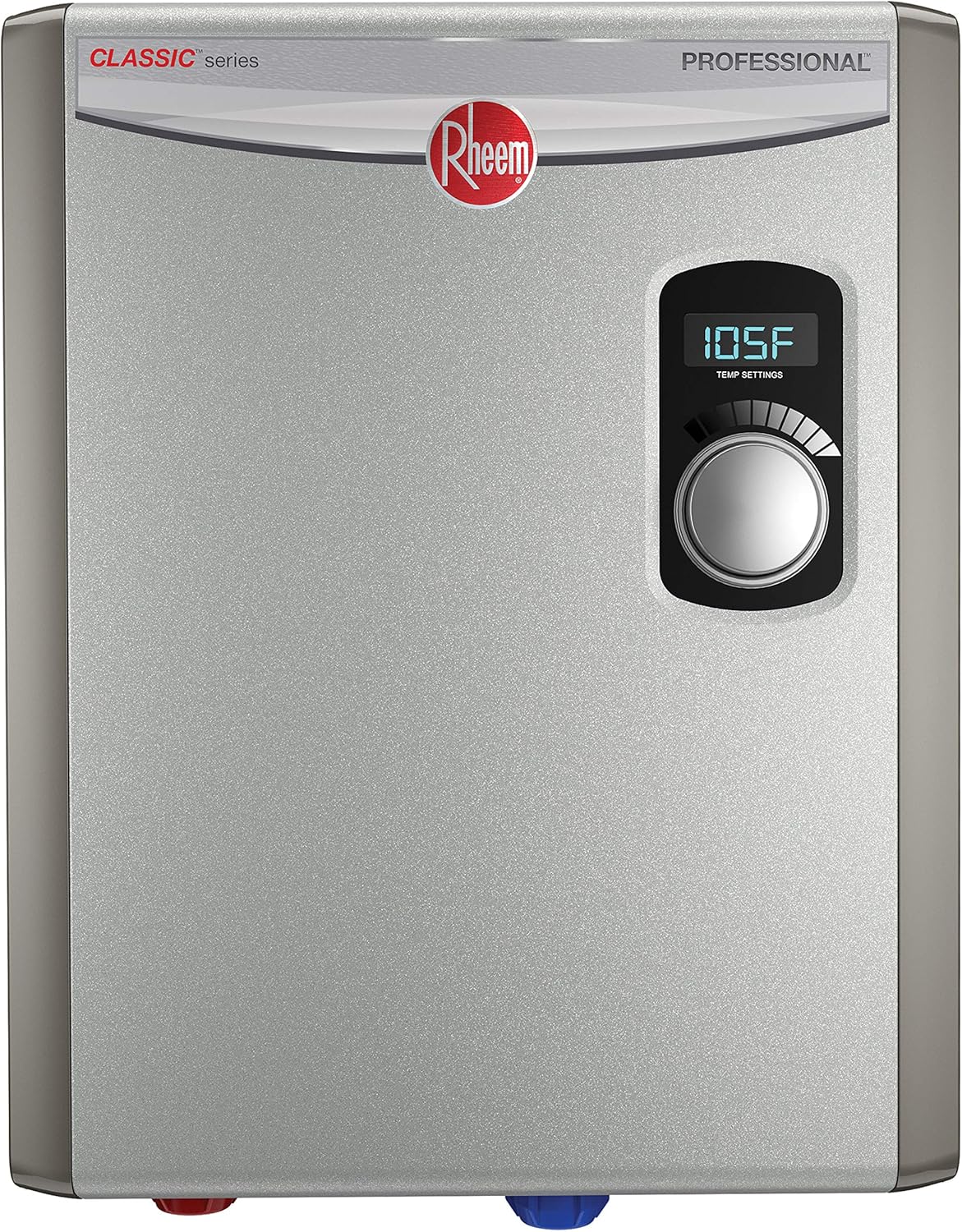
The flow rate, measured in gallons per minute (GPM), determines how much hot water the unit can deliver. For a whole-house unit, you need at least 3-4 GPM to run a shower and a sink simultaneously. The temperature rise is the difference between incoming cold water and the desired hot water. In colder climates, you need a higher kW unit to achieve a sufficient temperature rise. For example, the Rheem 18kW 240V Tankless Electric Water Heater offers up to 4.4 GPM, ideal for mid-range homes.
kW Rating and Electrical Requirements
The kilowatt (kW) rating indicates the heating power. Higher kW means more hot water output, but it also requires a larger electrical service panel and dedicated circuit breakers. Most whole-house units need 240V and a 100-amp or larger panel. Point-of-use models, like 110V units, are easier to install but limited to one fixture. Always verify your home’s electrical capacity before buying. For more on brands, see our guide to top electric tankless water heater brands.
Point-of-Use vs. Whole-House
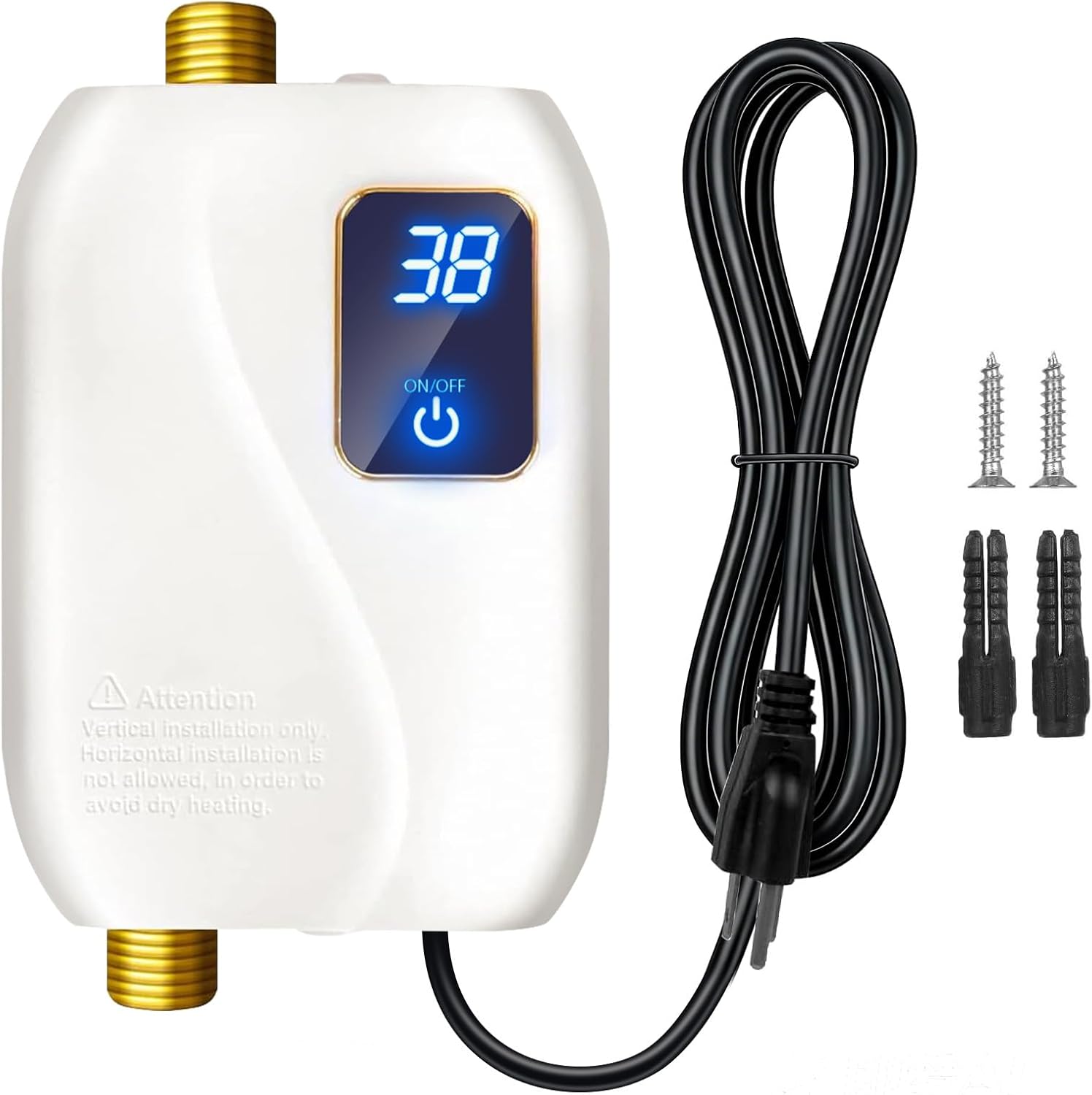
Decide whether you need a point-of-use (POU) unit for a single sink or a whole-house system. POU units, like the ThermoMate 6kW Tankless Water Heater Electric, are compact and install under a sink to provide instant hot water for one faucet. Whole-house units, such as the Stiebel Eltron Tempra 24, supply hot water to multiple fixtures simultaneously. For POU options, check our top point of use tankless water heaters.
Energy Efficiency and Self-Modulation
Electric tankless water heaters are highly efficient because they only heat water when needed, eliminating standby energy loss. Many models feature self-modulation technology that adjusts power based on water flow, saving even more energy. Look for units with digital temperature controls for precise settings. For 110V options, see our best point of use tankless water heater 110V picks.
Final Thoughts
Choosing the best electric tankless water heater for your home depends on your hot water needs, electrical capacity, and budget. For a reliable whole-house solution, the Stiebel Eltron Tempra 24 Trend Electric Tankless offers powerful performance and energy-saving features, while the ThermoMate 6kW Tankless Water Heater Electric is an excellent point-of-use option for under-sink applications. Both provide endless hot water and space-saving designs, making them top contenders for any home upgrade.
Frequently Asked Questions
Can an electric tankless water heater supply hot water to my entire house?
Yes, whole-house electric tankless water heaters like the Rheem 18kW or Stiebel Eltron Tempra 24 can provide hot water to multiple fixtures simultaneously. Ensure your home’s electrical panel can handle the required amperage, typically 100-150 amps for larger units.
What size electric tankless water heater do I need for a family of four?
For a family of four, you generally need a unit with a flow rate of 3-5 GPM and a kW rating of 18-24 kW, depending on your climate. The Rheem 18kW or Stiebel Eltron Tempra 24 are popular choices. In colder regions, a higher kW unit may be necessary.
Are electric tankless water heaters more efficient than tank models?
Yes, electric tankless water heaters are up to 99% efficient because they only heat water on demand, eliminating standby heat loss. This can save you up to 60% on energy costs compared to traditional tank heaters, especially in homes with low to moderate hot water usage.
Can I install an electric tankless water heater myself?
Installation requires electrical and plumbing knowledge, especially for 240V units that need dedicated breakers and proper wiring. While some DIYers can handle point-of-use 110V models, whole-house units should be installed by a licensed electrician and plumber to ensure safety and code compliance.