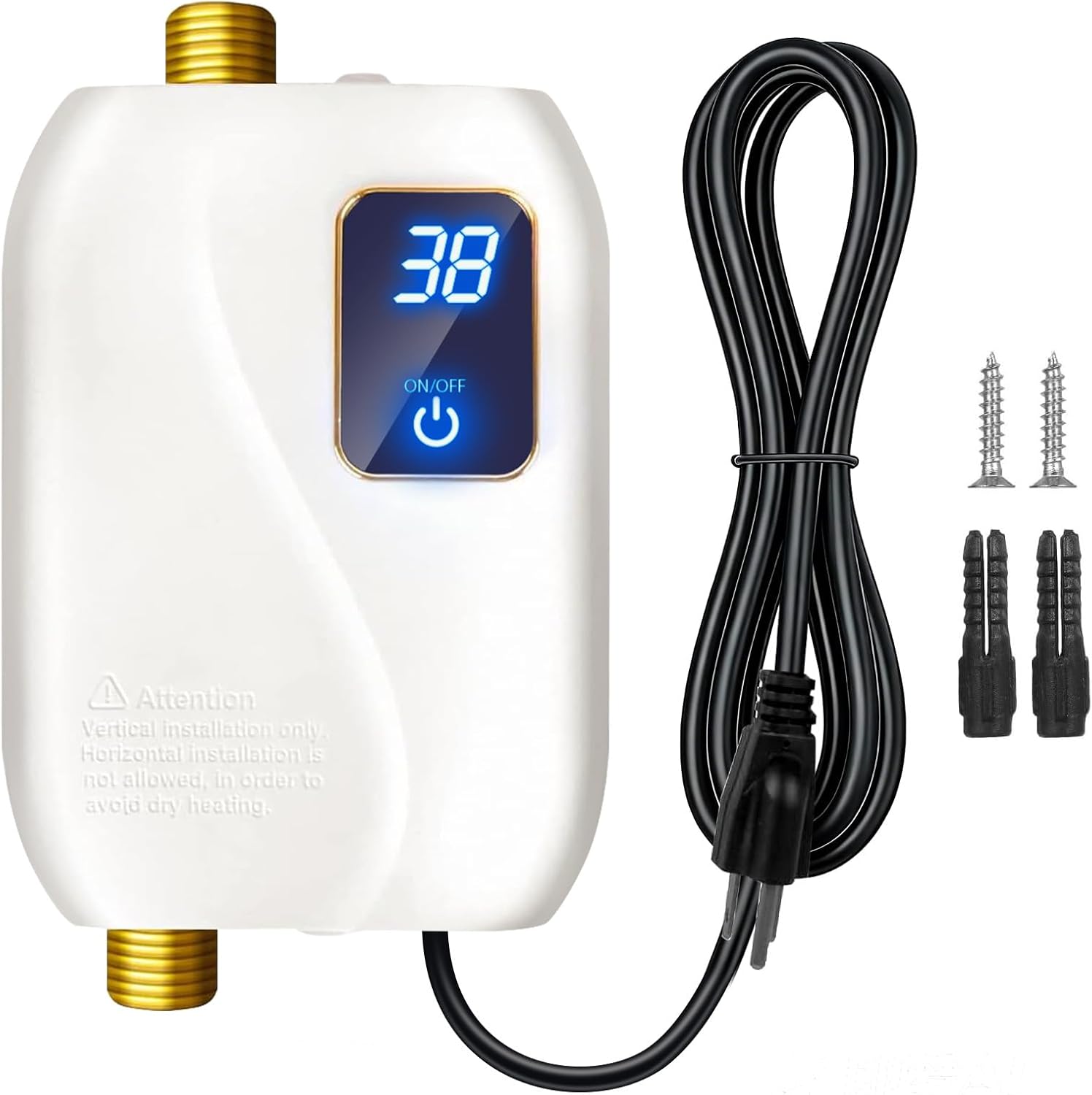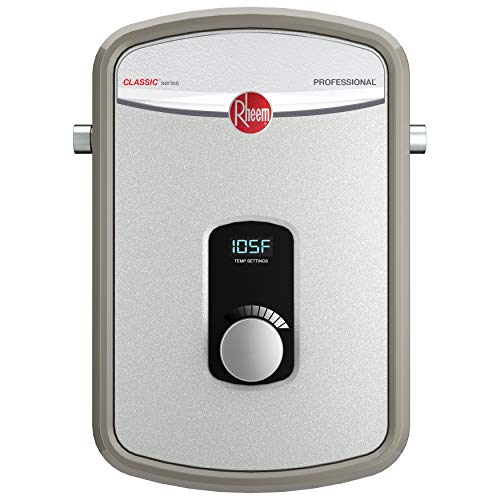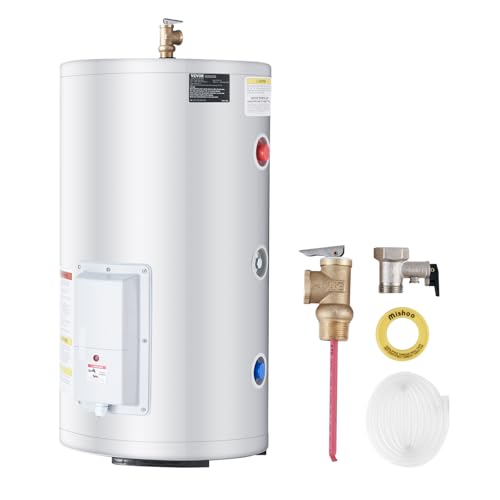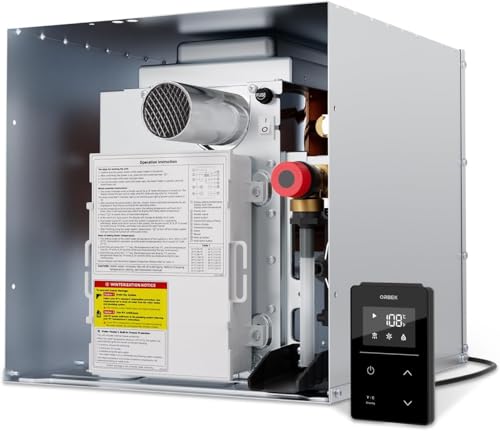

You know the drill: the last person in the shower gets the cold blast. Or you’re waiting for the water heater to recover before you can run the dishwasher. If you’re tired of those moments, a tankless water heater is the upgrade you’ve been thinking about. This guide breaks down the top models across electric and gas options, so you can find the perfect fit for your home and family.
We’ve evaluated the best tankless water heaters on the market, focusing on heating speed, flow rate, energy efficiency, and smart home integration. Whether you need a compact unit for a small apartment or a high-output system for a whole house, we’ve got you covered. Let’s dive in.


Buying Guide: What to Look For in a Tankless Water Heater
Fuel Type: Electric vs. Gas
Your choice between electric and gas tankless water heaters often comes down to your home’s existing infrastructure. Electric models, like the Westinghouse 14kW Tankless Water Heater Electric, are generally easier to install if you have a suitable electrical panel. They’re also more compact and can be placed nearly anywhere.
Gas models, such as the Rinnai RX199iN Condensing Smart Sense Tankless, typically offer higher flow rates, making them ideal for larger households. They require proper venting and a gas line, which can add to installation complexity. Consider your home’s setup and your hot water needs to make the right call.
Flow Rate and Temperature Rise
Flow rate, measured in gallons per minute (GPM), tells you how much hot water the unit can deliver at a given temperature rise. A higher GPM means you can run multiple fixtures simultaneously without a drop in temperature. For a small apartment, a 3-4 GPM unit might suffice, but a family home will likely need 6 GPM or more.
Temperature rise is the difference between your incoming groundwater temperature and the desired output temperature. In colder climates, you’ll need a unit with a higher BTU output or a larger kW rating to achieve the same GPM. Always check the manufacturer’s specifications for your region’s groundwater temperature.
Energy Efficiency and Smart Features
Tankless water heaters are already more efficient than traditional tanks because they only heat water on demand. But look for models with high Uniform Energy Factor (UEF) ratings for even greater savings. Many modern units, like the ThermoMate 27kW Tankless Water Heater Electric Max, feature self-modulating technology that adjusts power to match water flow, saving energy and money.
Smart features are becoming increasingly common. WiFi connectivity, like on the Westinghouse 14kW, lets you control temperature and monitor usage from your phone. Voice control via Alexa or Google Home is a nice bonus. These features add convenience and help you manage your energy consumption more effectively.
Final Thoughts
Choosing the best tankless water heater doesn’t have to be complicated. For a blend of smart features and reliable performance, the Westinghouse 14kW Tankless Water Heater Electric is a standout choice for many homes. If you need a high-capacity gas unit for a large family, the Rinnai RX199iN Condensing Smart Sense Tankless delivers endless hot water with impressive efficiency. Both models represent the best in their class, ensuring you’ll enjoy a constant supply of hot water for years to come.
Frequently Asked Questions
What size tankless water heater do I need for a family of four?
For a family of four, you’ll likely need a unit with a flow rate of 6-8 GPM to handle simultaneous showers and appliance use. Gas models in the 150,000-200,000 BTU range or electric units rated at 24-36 kW are typically sufficient, depending on your climate.
Can I install a tankless water heater myself?
Professional installation is strongly recommended, especially for gas models that require venting and gas line connections. Electric models may be more DIY-friendly, but you must ensure your electrical panel can handle the load. Always consult a licensed plumber or electrician to avoid safety hazards.
How long do tankless water heaters last?
With proper maintenance, tankless water heaters can last up to 20 years, significantly longer than traditional tank models. Regular descaling and filter cleaning are essential to maintain efficiency and longevity. Most manufacturers offer warranties of 10-15 years on the heat exchanger.
Are tankless water heaters worth the higher upfront cost?
While the initial investment is higher, tankless water heaters can save you up to 34% on energy costs compared to traditional tanks, especially in homes that use less than 41 gallons of hot water daily. The longer lifespan and reduced standby energy loss make them a smart long-term investment for many households.