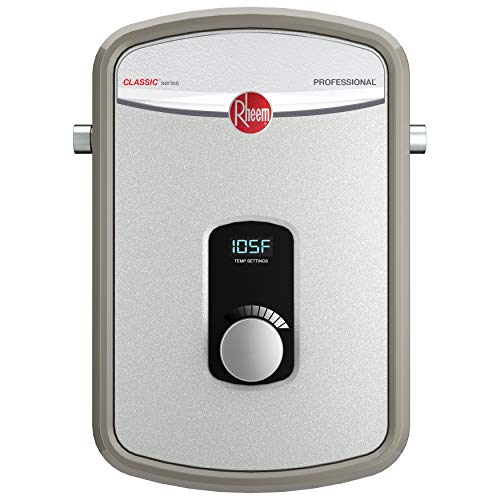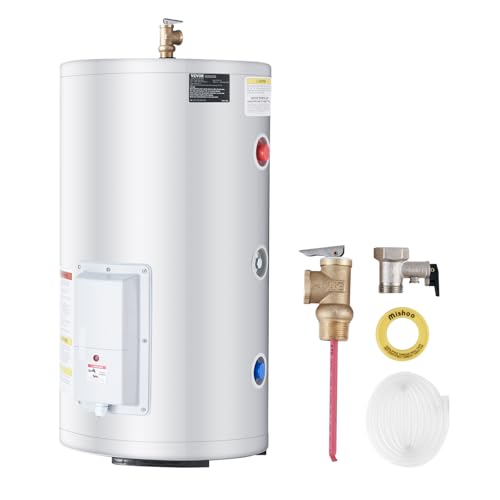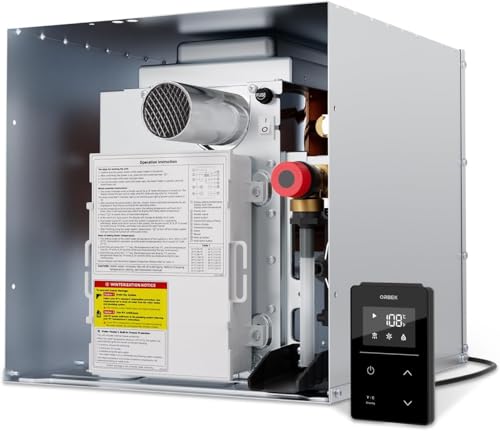

Are you tired of running out of hot water mid-shower or watching your energy bills climb? Tankless water heaters offer a solution: endless hot water on demand, with greater efficiency than traditional tank models. This guide reviews the best tankless water heater brands for 2026, covering a range of needs from whole-home systems to point-of-use units. Whether you’re upgrading your main water heater or adding a dedicated unit for a sink or bathroom, we’ve evaluated top picks to simplify your decision.
If you’re considering a gas-powered alternative, check out our guide on the best gas tankless water heater for large home for a different perspective on high-demand applications.


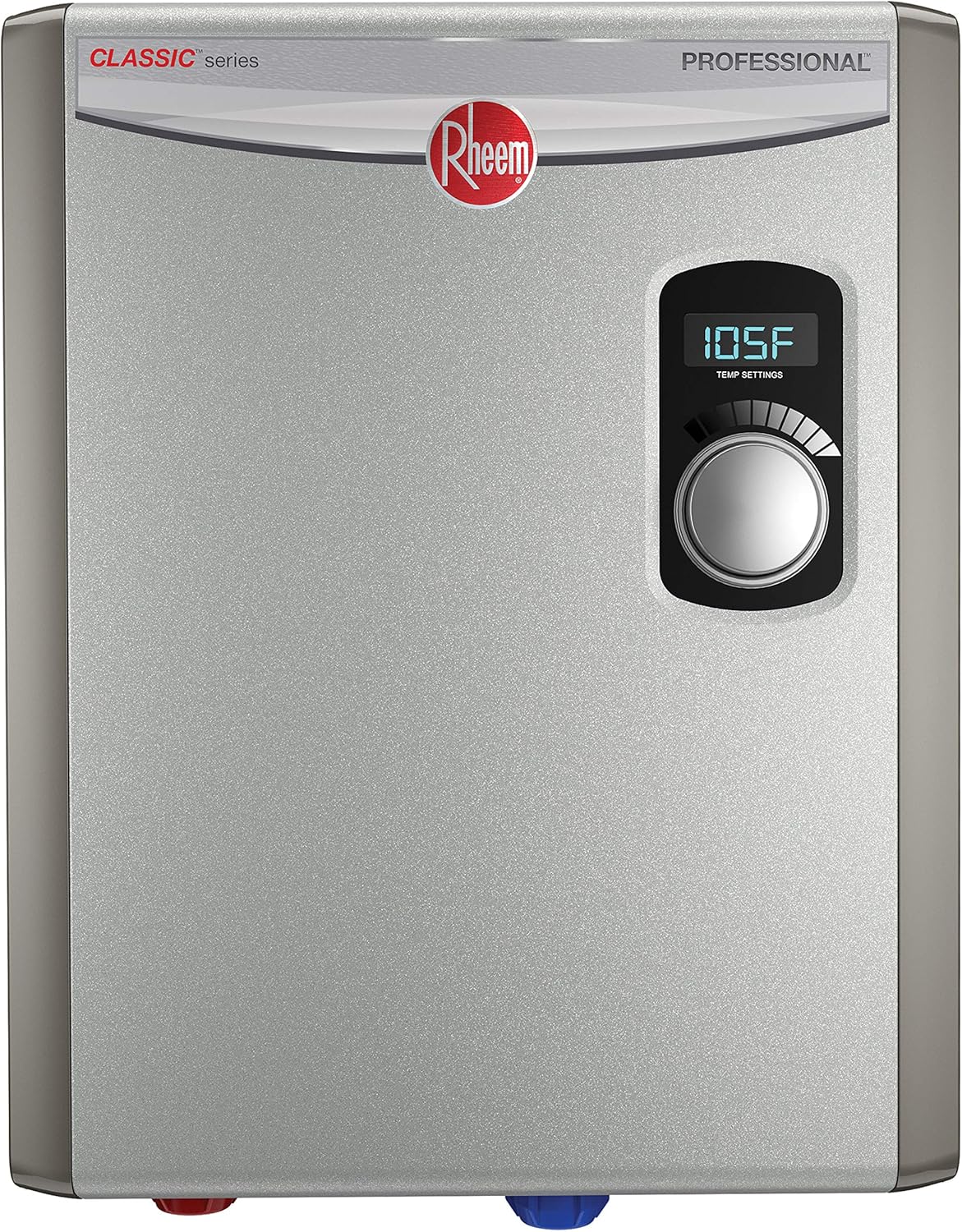
Buying Guide
Flow Rate and Temperature Rise
Flow rate, measured in gallons per minute (GPM), determines how many outlets your water heater can serve simultaneously. A unit for a single shower might need 1.5 to 2.5 GPM, while a whole-home system could require 4 to 6 GPM. Temperature rise (the difference between incoming ground water and your desired output) also matters: colder climates need more power. Always check the manufacturer’s specifications against your household’s peak demand.
For homes with hard water, scaling can reduce efficiency. Our best tankless water heater for hard water guide covers models built to handle mineral buildup.
Power Source and Electrical Requirements
Electric tankless heaters require dedicated circuits with specific amperage and wire gauge. A 14 kW unit typically needs a 60-amp double-pole breaker and 6 AWG wire at 240V. Gas models need proper venting. Verify your home’s electrical panel capacity before purchasing; some older homes may need an upgrade. Choose the power source that aligns with your existing infrastructure and energy costs.
Smart Features and Controls
Modern tankless water heaters offer digital displays, Wi-Fi connectivity, and voice control via Alexa or Google Home. These features allow you to adjust temperature, monitor usage, and set schedules from your smartphone. Temperature memory is a practical bonus: it restores your preferred setting after a power outage. Smart controls add convenience but aren’t essential for basic performance.
Maintenance and Descaling
Regular descaling prevents mineral buildup that reduces efficiency and lifespan. A descaling kit with a pump and NSF-certified solution makes the process simple. Some brands include removable inlet filters for easy cleaning. Plan to descale every 6 to 12 months depending on water hardness. This small effort ensures consistent performance for years.
Explore our top picks for best tankless water heater descaling kits to keep your unit running smoothly.
Final Thoughts
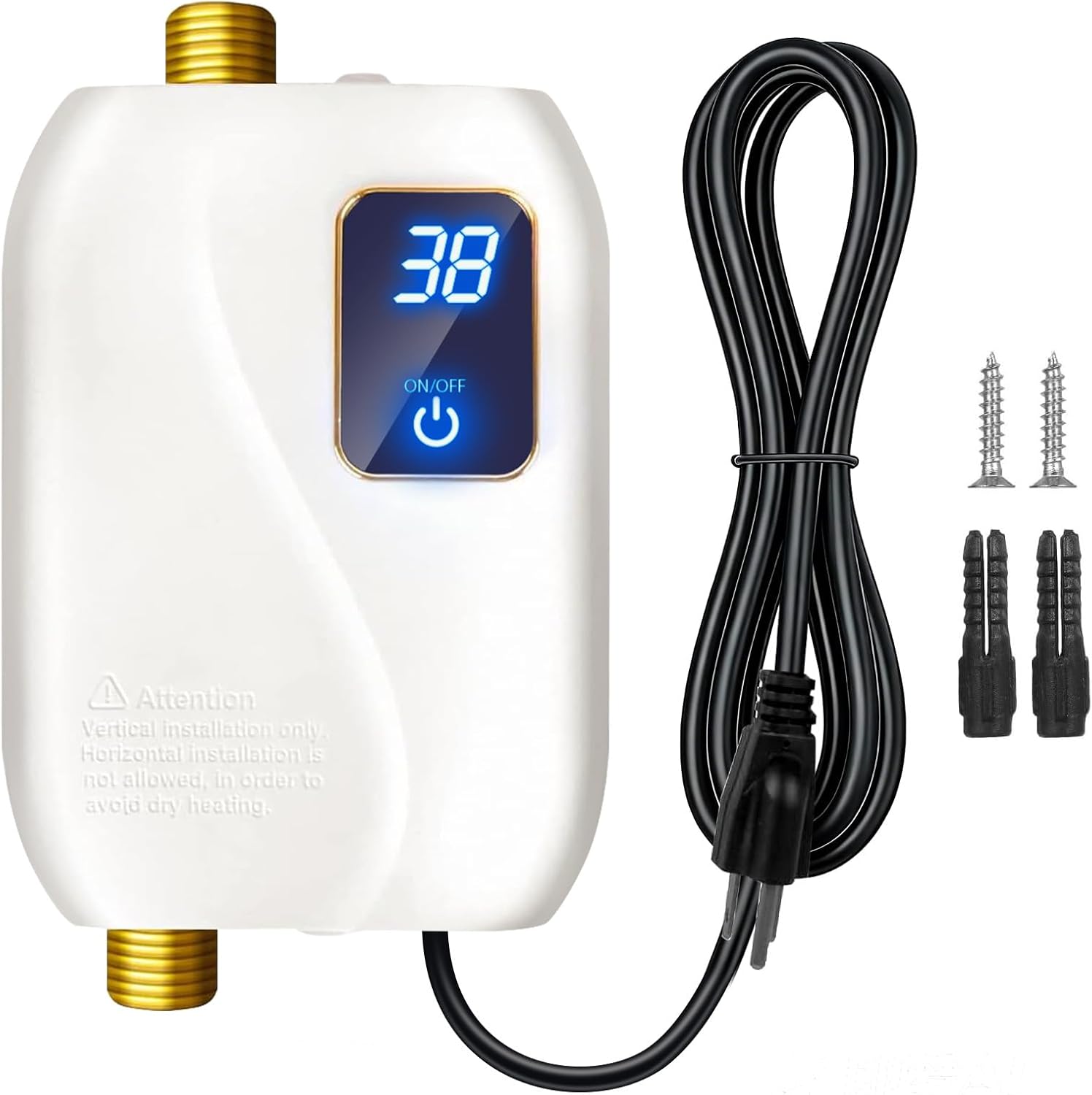
Choosing the best tankless water heater brand comes down to your specific needs: for a smart, whole-home solution with excellent efficiency, the Westinghouse 14kW Tankless Water Heater Electric stands out with its Wi-Fi controls and robust build. For a budget-friendly point-of-use option perfect for a sink or RV, the 110V Tankless Water Heater Electric delivers reliable instant hot water in a compact package. Both models represent the quality and innovation you can expect from leading brands in 2026.
Frequently Asked Questions
What size tankless water heater do I need for my home?
Size depends on your desired flow rate and temperature rise. For a single shower, a 14 kW unit is often sufficient in moderate climates. For a whole home, consider an 18 kW or higher model. Use an online calculator or consult a professional to match your household’s peak demand.
Are tankless water heaters more efficient than tank models?
Yes, tankless water heaters are generally more energy-efficient because they heat water only when needed, eliminating standby heat loss. Many electric models achieve over 98% thermal efficiency, which can reduce energy consumption by up to 60% compared to traditional tank heaters.
How often should I descale my tankless water heater?
Descaling frequency depends on your water hardness. In most areas, every 6 to 12 months is recommended. If you notice reduced flow or temperature fluctuations, it may be time to descale sooner. Using a descaling kit with a pump makes the job straightforward.
Can I install a tankless water heater myself?
Installation requires electrical and plumbing knowledge. Electric units need a dedicated circuit with proper breaker and wire size. Gas units require venting. While some DIYers can handle it, professional installation is recommended to ensure safety and code compliance. For a simpler project, a point-of-use unit like the 110V model is easier to install.