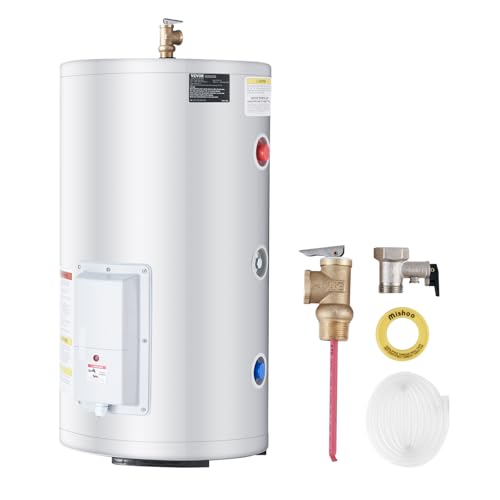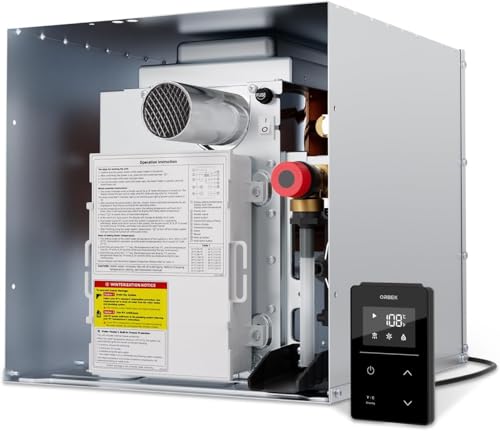

Imagine needing hot water for your kitchen sink or bathroom vanity and waiting forever for it to arrive. A point of use tankless water heater solves this by heating water instantly right where you need it. In this guide, we review the best point of use tankless water heaters, covering compact units perfect for under-sink installation and more powerful models that can serve multiple fixtures. Whether you’re upgrading a small bathroom or adding a convenience to your workshop, we’ve got you covered.


Buying Guide
Power and Flow Rate
The power rating (in kilowatts) and the resulting flow rate (in gallons per minute) are the most critical specs. For a single sink, a 3.5 kW unit may suffice, but for a bathroom or a small kitchen, you might need 6 kW or more. Check the temperature rise you need: if your incoming water is cold, you’ll need more power to achieve a comfortable temperature.
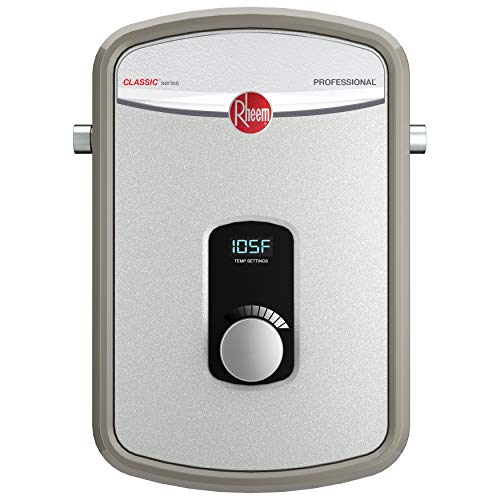
For multi-fixture applications, consider a higher wattage model like the Rheem 11kW, which can handle up to 2.68 GPM. Always verify your electrical panel capacity and the required breaker size before purchasing. If you’re unsure about electrical requirements, you might want to check our guide on 110-volt electric tankless water heaters for lower-power options.
Voltage and Wiring Requirements
Most point of use tankless units operate on either 120V or 240V. 120V models are easier to install in existing outlets, but they have lower power output. 240V models often deliver higher flow rates but require dedicated circuits and professional installation. Always check the wiring requirements: for example, some 240V units need a 30-amp breaker and #8 AWG wire, while others require 50-amp.
If you’re planning a new installation, consider the best electric tankless hot water heaters for a broader view of your options. Make sure to consult a licensed electrician to ensure your service panel can handle the additional load.
Size and Installation Flexibility
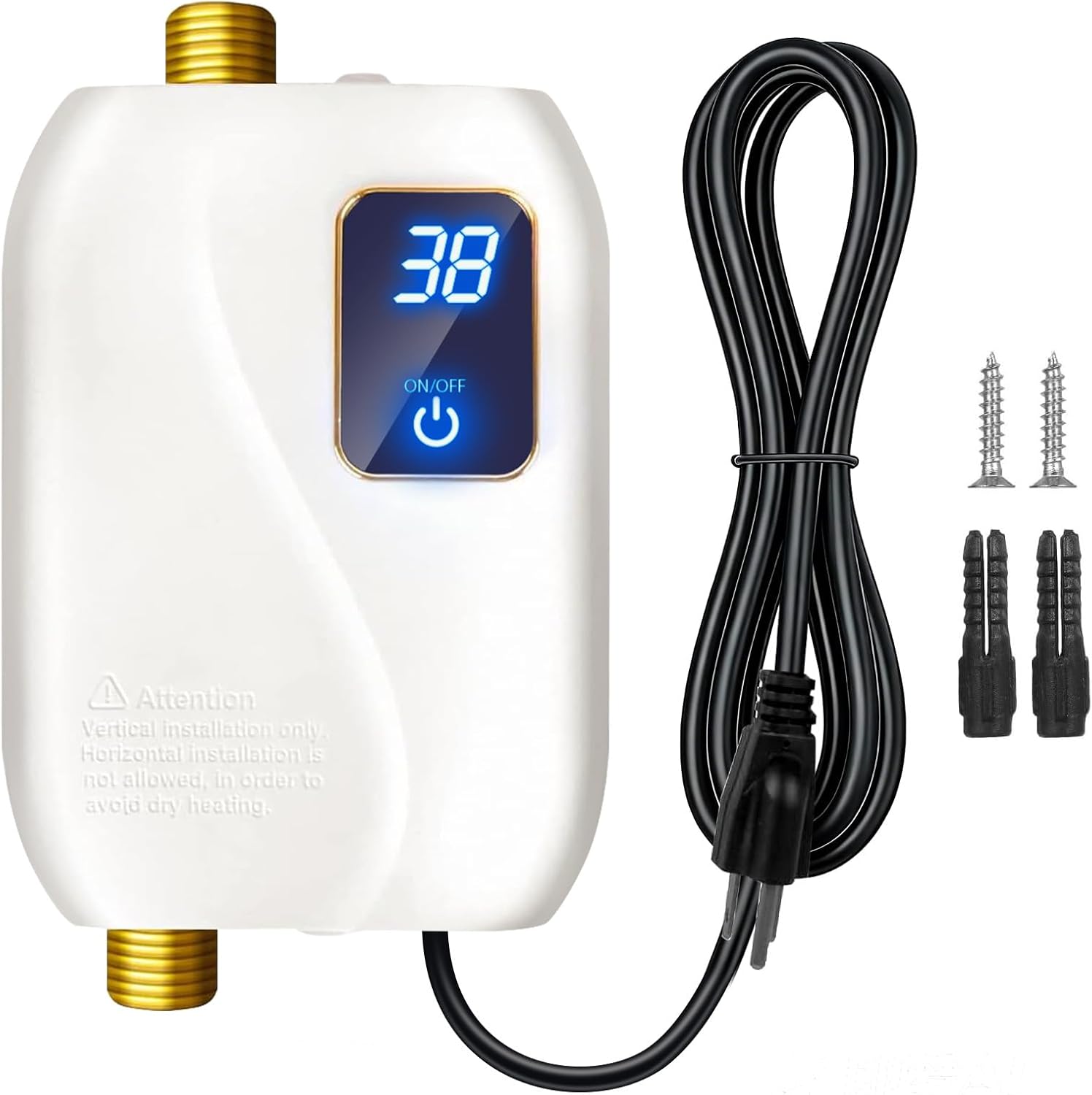
One of the biggest advantages of point of use tankless heaters is their compact size. Models like the ThermoMate 6kW are only about 11 inches tall, making them perfect for under-sink installation. Look for units with standard 1/2-inch NPT connections and pre-wired pigtails for easier setup. Also, check if the unit is designed for vertical or horizontal mounting, as some only work in one orientation.
For tight spaces, a compact unit like the Westinghouse point of use water heater might be exactly what you need. Always read the installation manual to avoid errors like using Teflon tape incorrectly, which can cause short circuits.
Temperature Control and Safety Features
Digital thermostatic controls allow you to set the exact water temperature, usually in 1-degree increments. This is a must-have for consistent comfort. Safety features like overheat protection, leakage protection, and water-electricity isolation are also essential. Look for certifications like ETL or UL to ensure the unit meets safety standards.
Some models also offer self-modulating power, which adjusts energy usage based on flow and temperature, improving efficiency. This is a great feature for saving energy and prolonging the unit’s life.
Final Thoughts
Choosing the right point of use tankless water heater depends on your specific needs: for a single sink or small space, the ThermoMate 6kW Tankless Water Heater Electric offers instant hot water and a compact design, while for larger applications like multiple fixtures, the Rheem 11kW Multi Fixture Tankless Electric Water provides ample flow and reliability. Both options bring on-demand comfort and energy savings to your home.
Frequently Asked Questions
How many GPM do I need for a point of use water heater?
The flow rate you need depends on the fixture. A bathroom sink typically requires 0.5 to 1.0 GPM, while a kitchen sink might need up to 1.5 GPM. Check the product specifications for the temperature rise to ensure it meets your needs.
Can I install a point of use tankless water heater myself?
Many point of use heaters are designed for easy installation, but you must have basic plumbing and electrical skills. For 120V models, you might be able to plug them in, but 240V units require hardwiring. Always follow local codes and consider hiring a professional if you’re unsure.
Are point of use tankless water heaters energy efficient?
Yes, they are very efficient because they only heat water when you need it, eliminating standby losses. Most models have an efficiency rating above 98%, making them a smart choice for reducing energy consumption.
What is the difference between 120V and 240V point of use heaters?
120V units are easier to install and work well for low-flow applications, but they have lower power output. 240V units can deliver higher flow rates and are better for multiple fixtures, but they require a dedicated circuit and professional installation. For more on this, check our guide on 110V point of use tankless water heaters.
In 2026, the market offers a variety of reliable options, so you can find the perfect fit for your home.