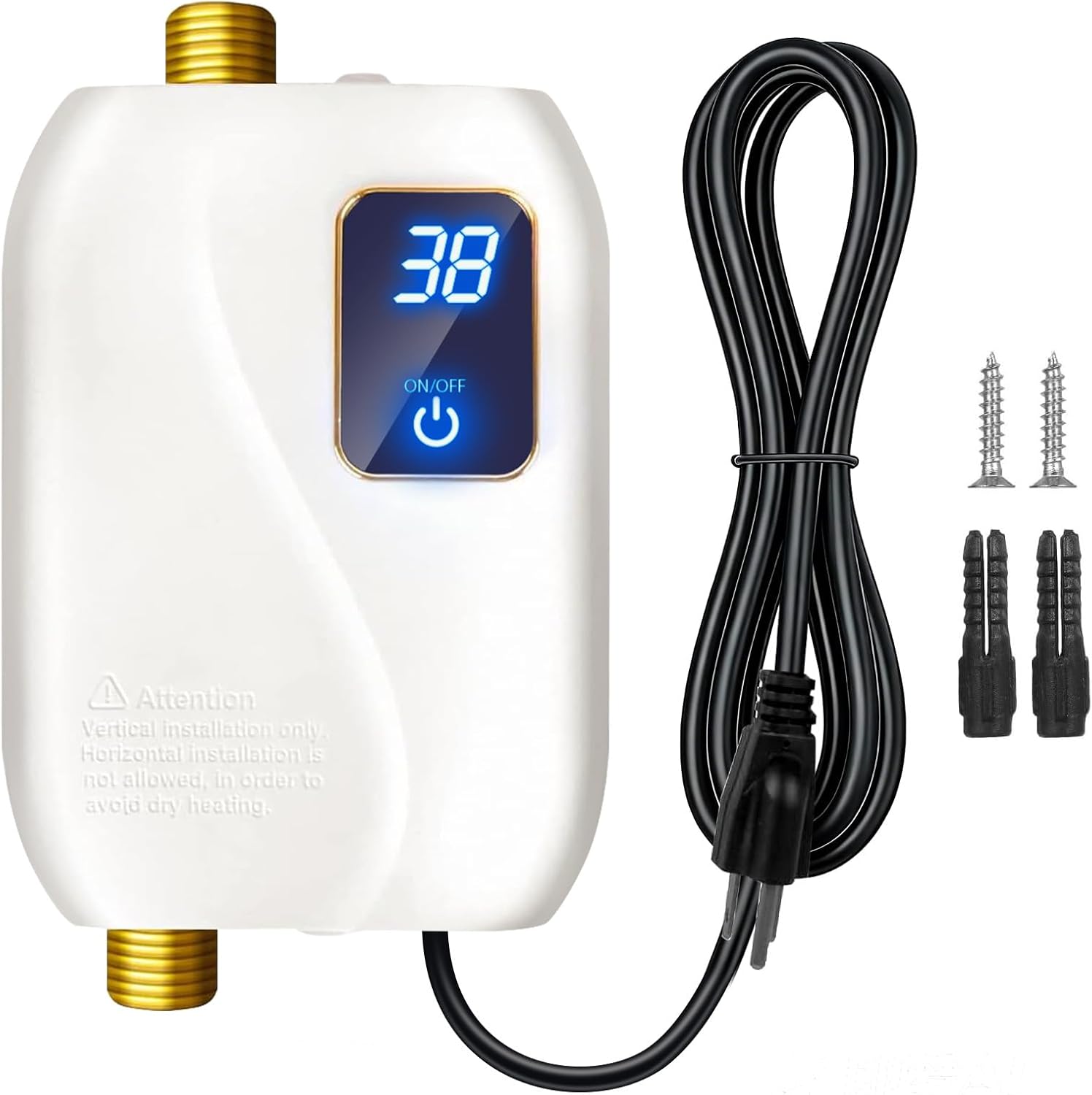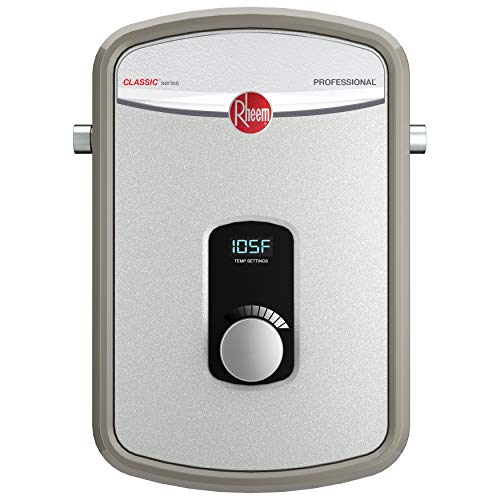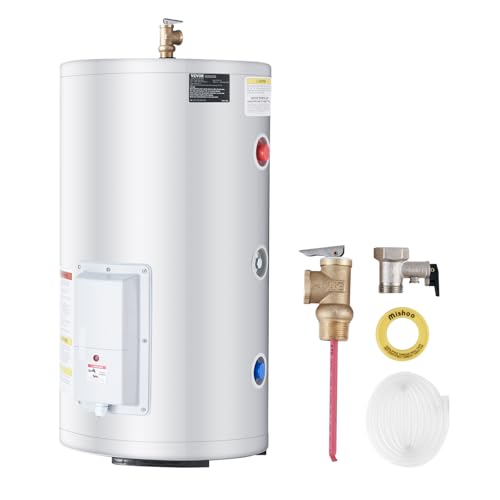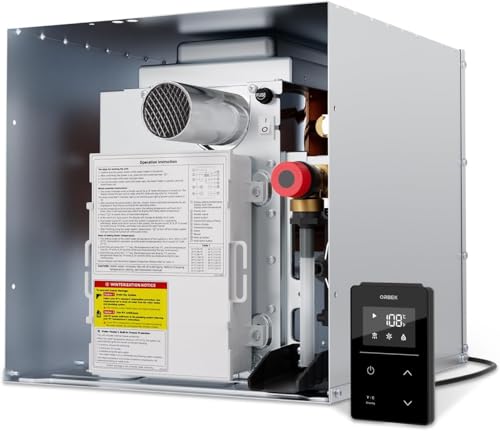

Imagine stepping into a hot shower on a cold morning, only to have the water turn icy because someone flushed a toilet. With a propane tankless water heater, that scenario becomes a thing of the past. These units heat water on demand, delivering a continuous supply for your whole household. Whether you are upgrading an older system or building a new home, choosing the right model can save space, energy, and frustration. In this guide, we review the best propane tankless water heaters for 2026, covering key factors like flow rate, BTU output, and installation requirements to help you make an informed decision.


Buying Guide: What to Look for in a Propane Tankless Water Heater
Flow Rate and BTU Output
The flow rate, measured in gallons per minute (GPM), indicates how much hot water the heater can deliver at once. For a small household with one or two bathrooms, a unit with 3 to 5 GPM may suffice. Larger families often need 6 to 8 GPM to run multiple showers and appliances simultaneously. BTU output determines the heater’s capacity to raise water temperature. Higher BTUs are essential for colder climates where incoming water is cooler.
Installation Location: Indoor vs. Outdoor
Propane tankless water heaters come in both indoor and outdoor models. Outdoor units eliminate the need for venting, simplifying installation and saving indoor space. Indoor models require proper ventilation to exhaust combustion gases safely. Consider your home’s layout and local building codes when deciding which type suits your needs.
Energy Efficiency and Certifications
Look for units with a high Uniform Energy Factor (UEF) rating, which indicates greater efficiency. Many modern propane tankless heaters achieve UEF ratings of 0.80 or higher, reducing energy consumption compared to traditional tank heaters. CSA certification ensures the product meets safety and performance standards. Energy-efficient models not only lower utility bills but also reduce environmental impact.
Additional Features and Warranty
Advanced features like digital temperature control, WiFi connectivity, and freeze protection add convenience and reliability. A comprehensive warranty, especially on the heat exchanger, provides long-term peace of mind. Most reputable brands offer at least a 5-year warranty on parts and a 10-year warranty on the heat exchanger.
Final Thoughts
Choosing the best propane tankless water heater depends on your household size, climate, and installation preferences. For a powerful, whole-house solution with smart controls, consider the 120,000 BTU Propane Tankless Water Heater Max 5.1 which offers WiFi connectivity and flexible indoor/outdoor installation. If you need a compact, budget-friendly option for a smaller home or cabin, the Ranein Propane Gas Tankless Water Heater, 3.6 GPM provides reliable on-demand hot water with essential safety features. Both models represent excellent value in their respective categories.
Frequently Asked Questions
How long does a propane tankless water heater last?
With proper maintenance, a propane tankless water heater can last 20 years or more, which is roughly twice the lifespan of a traditional tank heater. Regular descaling and annual inspections help maximize longevity.
Can a propane tankless water heater supply hot water to multiple bathrooms at once?
Yes, but the capacity depends on the unit’s flow rate and BTU output. Models with 7 GPM or higher can typically handle two to three showers simultaneously. For larger households, choose a high-output unit to avoid performance drops.
Do I need a professional to install a propane tankless water heater?
Professional installation is strongly recommended for gas-powered units to ensure proper venting, gas line sizing, and compliance with local codes. Incorrect installation can lead to safety hazards or reduced efficiency.
What maintenance does a propane tankless water heater require?
Routine maintenance includes flushing the system to remove mineral buildup, cleaning the air filter, and inspecting the burner and venting. Many manufacturers recommend annual servicing by a qualified technician to keep the unit running efficiently.